GHRH analogues and pulsatile GH secretion
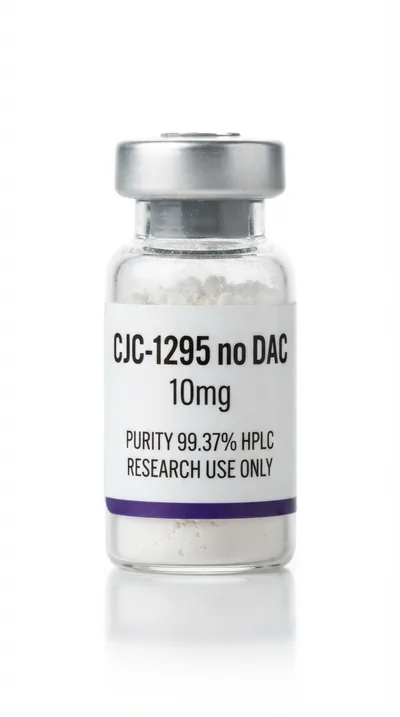
Research on tetrasubstituted GRF(1-29) analogues reports enhanced resistance to DPP-IV cleavage and preserved pituitary receptor activity, producing amplified but still pulsatile growth-hormone release in animal and early human pharmacology studies.
In plain English
The modifications keep the peptide intact in circulation long enough to work, while preserving the body's natural pulse pattern of GH release — the key distinction versus the DAC version.